Garage Door Repair Secrets: Insider Tips for Success, WIth WI Garage Door LLC

Garage door repair

The Secret Behind the Smoothest Door I Ever Fixed

A few years ago, I was called to a newer home on the outskirts of Green Bay.
The owner told me, “I just had my door serviced last year, but it still doesn’t sound right.”

When I arrived, I found the problem immediately: the technician before me had replaced one worn roller — but left the others untouched.
That one new roller was running smooth, while the other five were grinding.
It sounded like a symphony of friction.

After I tuned the system properly — adjusting spring balance, tightening hinges, and aligning the opener track — the door moved in silence.
That homeowner said something I’ll never forget:

“I didn’t realize how bad it was until it worked the way it should.”

And that’s the real secret to great garage door repair — precision, not guesswork.

Today, I’m pulling back the curtain and sharing the insider tips that separate quick fixes from lasting repairs.


1. The Secret: Great Repairs Start With Listening

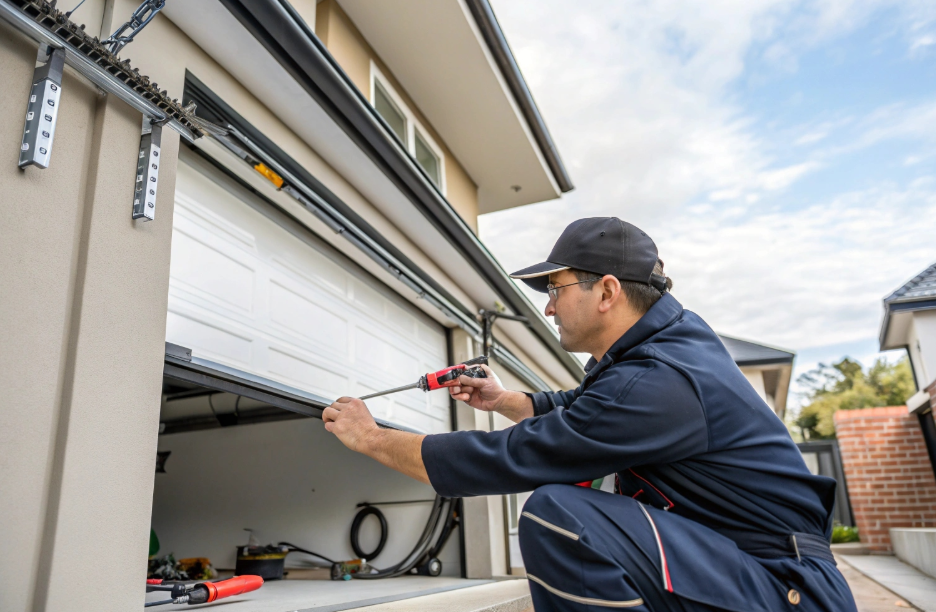
Before I grab a wrench, I listen. Every sound your door makes — grinding, popping, rattling — tells a story.

A seasoned technician doesn’t just hear the noise; they locate it. Left side popping? That’s spring fatigue. Squeal halfway up? Likely a roller bearing. Low rumble when closing? Probably an unbalanced torsion shaft.

When we perform a garage door repair, the first five minutes are spent just operating the door, listening to its rhythm. That sound map often reveals more than any inspection could.

Pro Tip: If your door starts singing a new tune, record it before you call. That short video helps us diagnose it faster — sometimes before we even arrive.


2. Precision Over Power: The Art of Subtle Adjustments

Here’s something few homeowners realize:

Garage door repair is more about finesse than force.

Over-tightening bolts, forcing tracks, or adding too much spring tension can do more harm than good. A perfect repair happens in millimeters — not inches.

For example:

  • One-quarter turn too tight on a torsion spring can make the opener struggle.
  • A track just ⅛” off-level causes rollers to wear unevenly.
  • Over-lubricating hinges attracts dust and hardens in cold weather.

Every adjustment must respect the balance of the system. That’s why every garage door repair we perform at WI Garage Door LLC includes not just fixing the issue — but recalibrating the door for long-term performance.


3. The Spring Replacement Myth — Why “New” Isn’t Always Better

Here’s an insider truth: not every broken spring needs to be upgraded — sometimes, the key is matching, not changing.

A few months back, a homeowner asked me to “install the strongest springs possible.” He thought heavier meant better. But his door didn’t need stronger springs — it needed balanced ones.

Stronger springs made the door shoot up uncontrollably and slam at the top. We replaced them with properly rated ones, and the door finally moved the way it should.

The lesson?

In garage door repair, the right part is better than the biggest one.

Precision springs, matched to your door’s exact weight, give smoother, quieter, and safer operation every time.


4. The 80/20 Rule of Maintenance

Here’s another insider principle we live by at WI Garage Door LLC:

Eighty percent of garage door repair is maintenance — the other 20% is catching what maintenance missed.

Most breakdowns come from overlooked basics:

  • Dried-out rollers
  • Rusted cables
  • Dirty sensor lenses
  • Loose hinge bolts

A 20-minute tune-up every six months can eliminate nearly all emergency repairs.
That’s why we recommend pairing every garage door repair with a preventive service check — tighten, clean, lubricate, recalibrate.

Those small actions keep big problems away.


5. The Green Bay Factor: Weather’s Hidden Impact on Garage Doors

In Green Bay, weather isn’t just a backdrop — it’s an active participant in every repair.

When winter hits, the cold air contracts metal and stiffens lubricants. That makes springs more brittle and rollers more rigid. In summer, heat expands steel and swells panels, tightening tolerances.

This means that the same garage door repair that works in July might need fine-tuning again by January.

We plan every service around seasonal shifts — lubricating more in winter, tension-checking in spring, and corrosion-proofing before fall.

That local knowledge is what keeps our customers’ doors working year after year.


6. The Technician’s Mindset: Repair for Tomorrow, Not Just Today

When I train new technicians, I tell them this simple truth:

Anyone can fix a garage door — but only a professional can make it stay fixed.

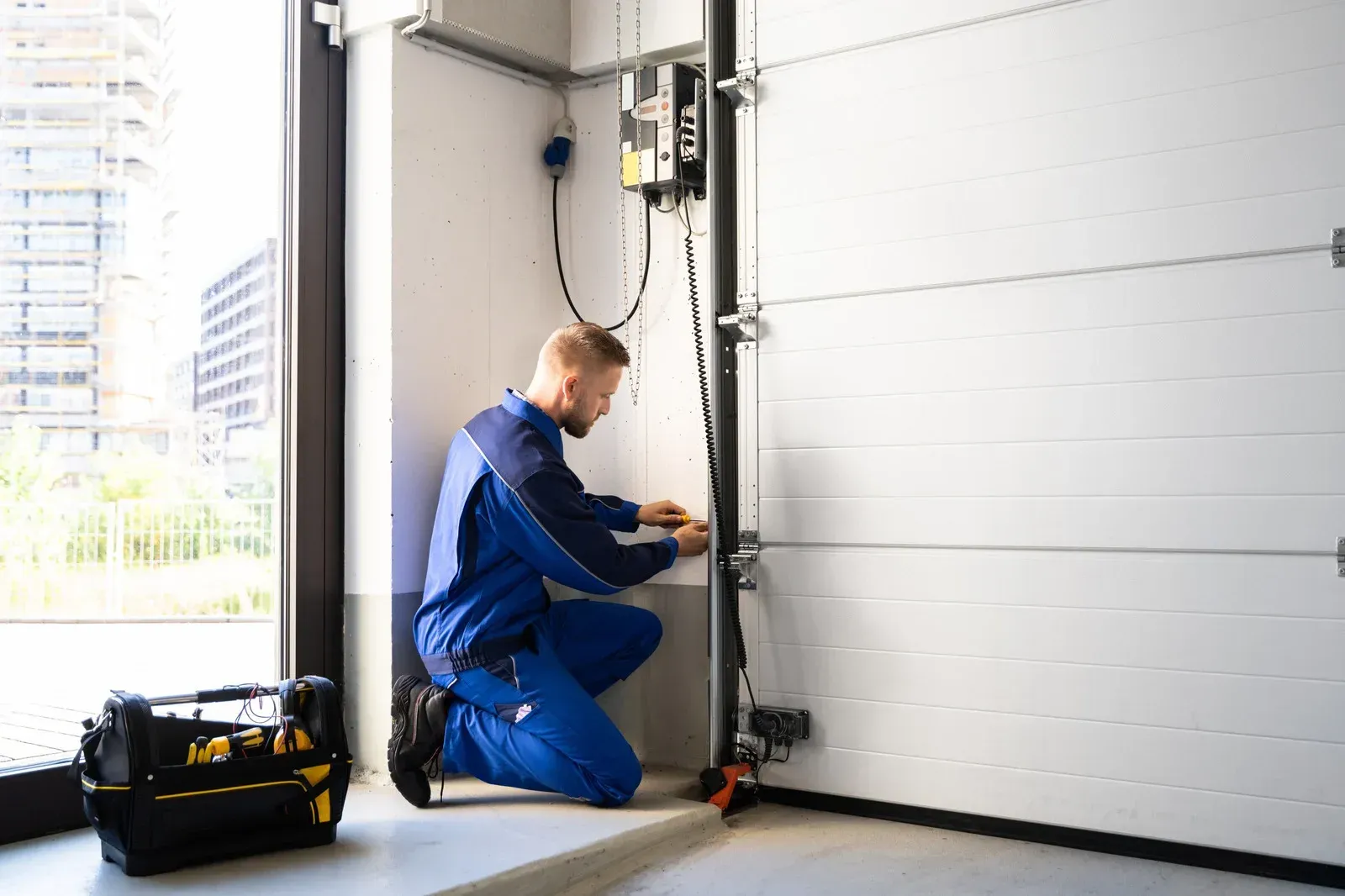
Every garage door repair we perform is about preventing the next issue, not just patching the current one. That means anticipating how each adjustment affects the entire system — opener, cables, bearings, and tracks.

For example, when we replace a spring, we also check cable alignment. When we adjust tension, we recalibrate opener force. Every part connects to another, and when one is neglected, the rest pay the price.

That mindset — treating your door as a single, balanced machine — is what separates quick repairs from craftsmanship.


7. The Counterintuitive Truth: The Problem Isn’t Always Where You Hear It

This one surprises homeowners all the time. That grinding noise you hear near the top of your door? It might be coming from the bottom roller. The clanking near the opener? Could be spring vibration echoing through the torsion tube.

Garage doors amplify sound like musical instruments — and noise travels.

That’s why guessing is dangerous. Instead, we isolate the noise using contact microphones and manual tests before making any adjustment.

When I started out years ago, I once replaced an entire set of hinges for a customer — only to discover the real issue was a bent track anchor five feet away. Now, I never assume. That’s the kind of discipline that defines a true garage door repair professional.


8. The Hidden Power of Proper Lubrication (and Why Most People Get It Wrong)

Lubrication sounds simple, but it’s often done incorrectly. I can tell instantly when a homeowner has tried to “quiet” their door — thick grease, oil buildup, or WD-40 dripping from the tracks.

Here’s the truth:

Lubrication is meant to reduce friction, not stop noise.

The right way to do it?

  • Use a silicone-based spray only.
  • Apply a light coat to springs, rollers, and hinges.
  • Wipe away excess.
  • Never spray the tracks — they must stay clean for proper traction.

The result is a smoother glide, longer spring life, and less strain on your opener. It’s one of the simplest yet most effective garage door repair practices you can do between professional services.


9. The Top 3 Mistakes Homeowners Make (and How to Avoid Them)

After years of repairs across Green Bay, I’ve noticed three recurring patterns — mistakes that turn small issues into major breakdowns.

Mistake #1: Ignoring Early Signs

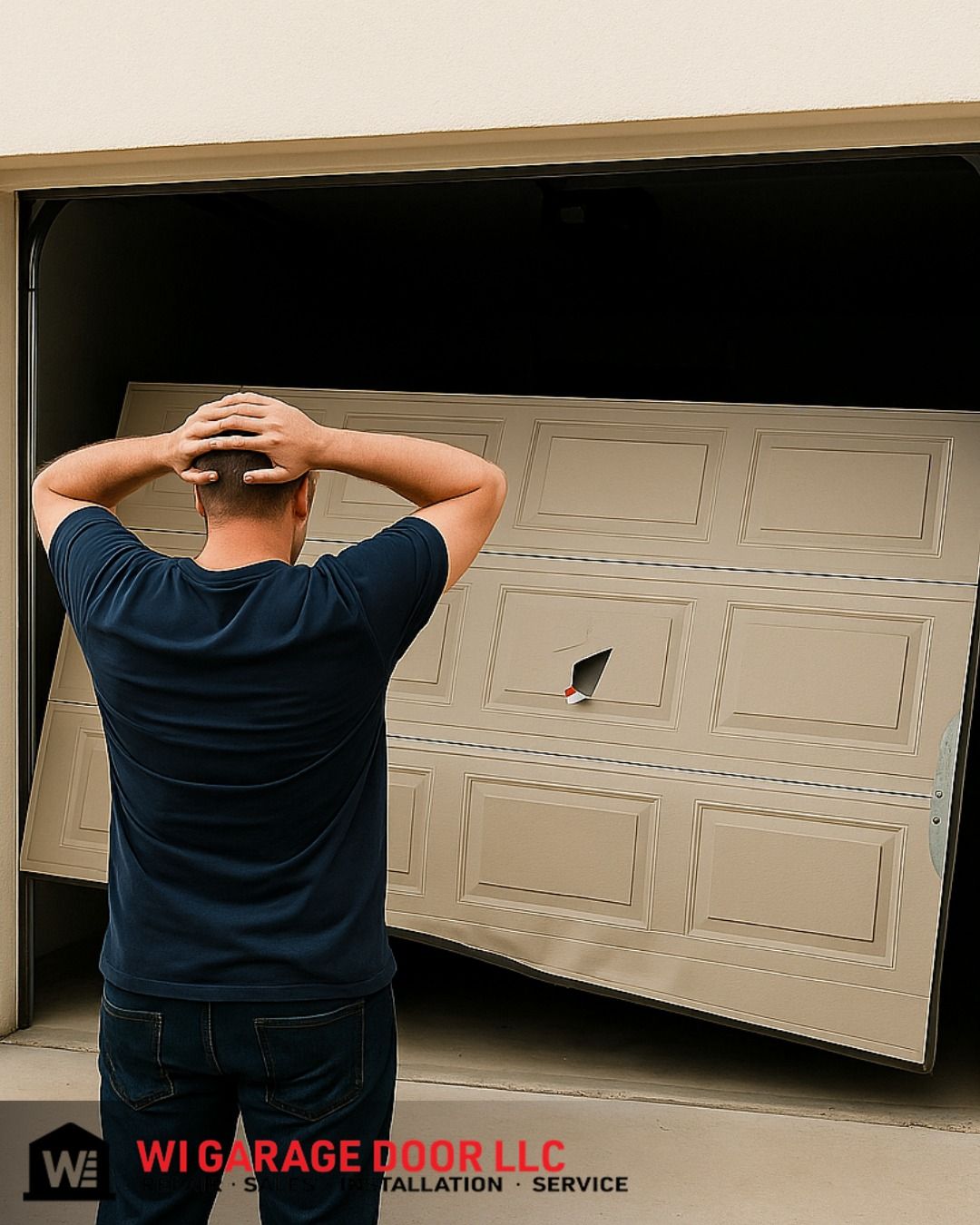
That faint rattle? That small hesitation? It’s not harmless. Every door speaks before it fails — and ignoring those whispers is what leads to emergency garage door repair calls.

Mistake #2: DIY Adjustments Without Proper Tools

A screwdriver isn’t a winding bar. An adjustable wrench isn’t a torque calibrator. One wrong twist on a spring or bracket can throw the system out of sync or cause injury.

Mistake #3: Replacing One Component Instead of the System

You don’t replace one tire on your car — the same goes for your door. When one spring, roller, or cable fails, the rest have already endured the same stress. Always repair in pairs or full sets for lasting performance.

These lessons aren’t just cautionary tales — they’re field-tested truths that make the difference between frustration and flawless function.


10. Seasonal Strategy: The Green Bay Survival Plan

Our Wisconsin climate teaches humility — and preparation. To keep your door performing smoothly year-round, I give every customer this simple plan:

  • Spring: Tune-up and lubricate. Test opener force before humidity hits.
  • Summer: Clean tracks and check seals. Heat expands metal — verify alignment.
  • Fall: Tighten hardware. Lubricate springs before freezing temps.
  • Winter: Never force a frozen door open; warm the space gently instead.

A semiannual garage door repair and maintenance schedule like this can easily double your system’s lifespan.


11. The Mentor’s Perspective: It’s About the Feel, Not Just the Function

When I finish a repair, I don’t just listen — I feel the door. I lift it halfway and let go. If it stays perfectly still, balanced between open and closed, I know it’s right.

That balance — that moment where gravity and precision meet — is what great garage door repair is all about.

It’s not about tightening bolts or replacing parts. It’s about restoring harmony between mechanics and motion.
When you experience that smooth, weightless glide, you’re not just seeing good work — you’re feeling it.

That’s what WI Garage Door LLC stands for.


Final Thoughts: Green Bay’s Trusted Name in Garage Door Repair

The difference between an average door and a flawless one isn’t luck — it’s care. The right tools, the right tension, the right mindset.

At WI Garage Door LLC, we’ve built our reputation on detail, precision, and honesty. Every garage door repair we perform is designed to last — tested, tuned, and proven through every Green Bay season.

Because when your door is balanced, quiet, and reliable, your home just feels right.


Call WI Garage Door LLC — Green Bay’s trusted experts for garage door repair, tune-ups, and full-system inspections.
Precision. Balance. Peace of mind.

Entrust Your Garage Door To Our Technicians

We Provide Trusted Services For You & Guaranteed Satisfaction!